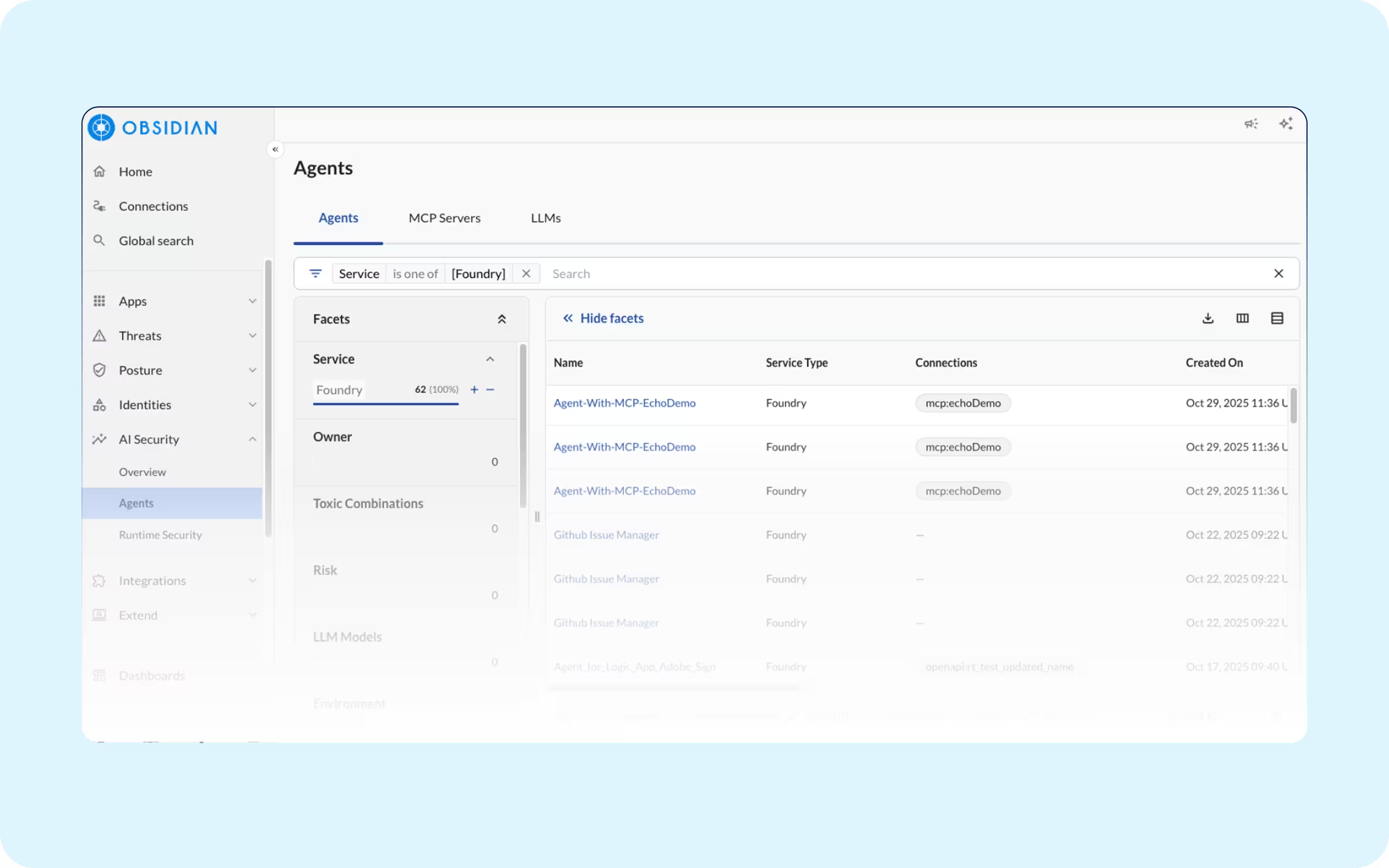
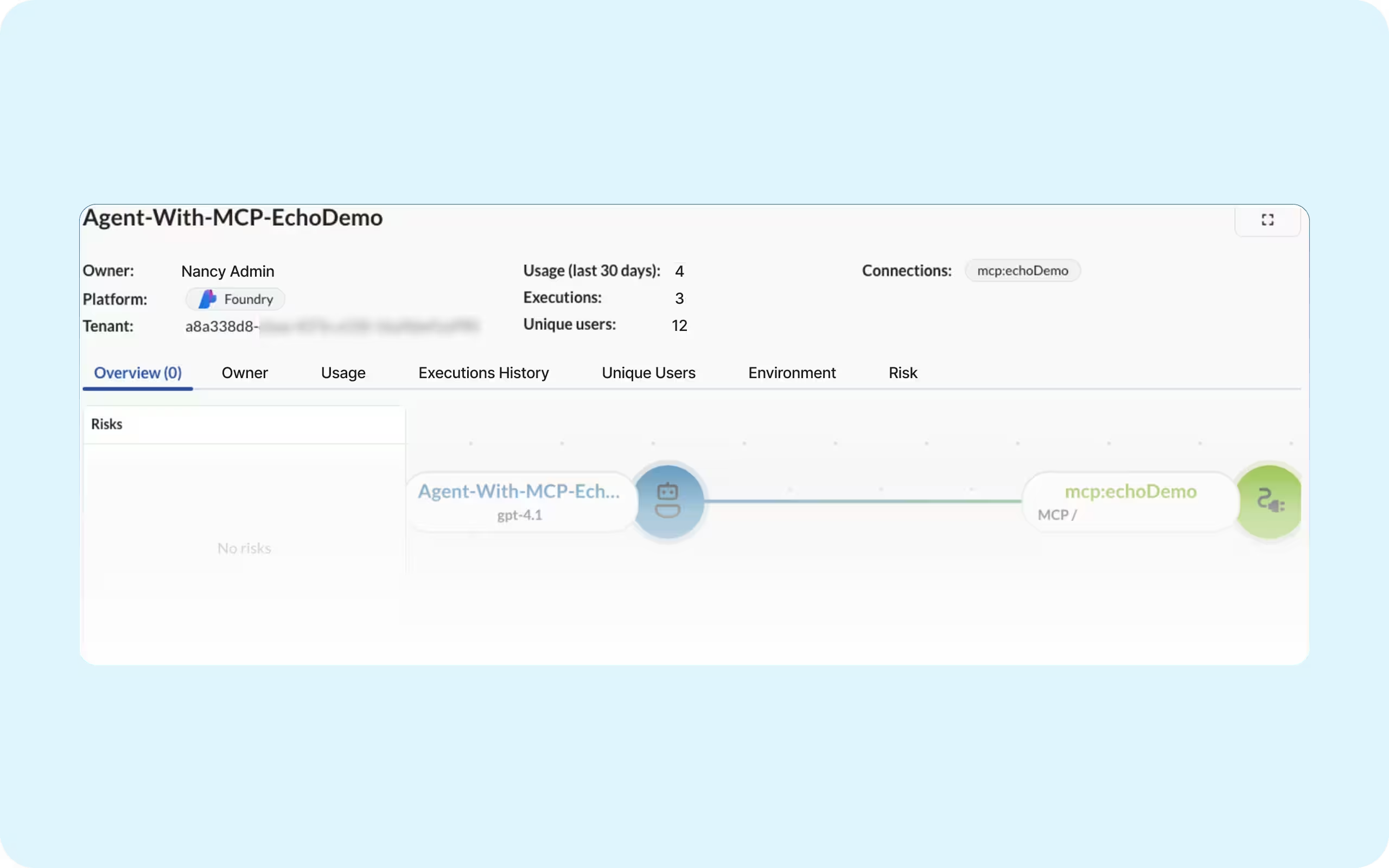
Let users build agents and workflows fast with security and governance built in.
Unlike prebuilt AI assistants available with Copilot, Azure Foundry lets users quickly build and deploy agents with custom AI models designed for the task at hand.

Orchestrate multi‑step tasks like ticket triage, infra changes, CRM updates, and HR workflows.

Use agents to write and review code, streamline processes, and improve customer experience.

Let non‑developers build workflows and agents without waiting on central engineering.
Unmonitored Foundry agents silently spread risk across every application they access and every data connection they make.

An over‑permissioned HR or finance agent can query classified internal knowledge across apps like SharePoint.

Agents wired into Azure DevOps or GitHub can overwrite or delete source code, pipelines, and infrastructure.

Business teams can expose CRM or ticket data as agents autonomously generate and share content externally.

Similar agent use cases can run in Vertex, Copilot, and Bedrock; without unified governance, fragmented policies and logs hide risky cross‑platform behavior.
Microsoft surfaces your agents but can’t show you every risk, leaving security teams blind to unauthorized tool calls, excessive permissions, and unsanctioned cross-service actions.

No single view of which agents, MCP servers, and models are running across your tenants.

Native logs weren't built to capture risky tool calls and cross-service actions, especially from agents running outside Foundry on platforms like Claude.

Agent permissions are scattered across every app they touch. Without a unified view, you can't know your true exposure until something goes wrong.

Agents act on behalf of users but aren't always bound by the same limits. Without a full identity graph, you won't know when an agent quietly exceeds the access its user was granted.
Map, monitor, and control every Foundry agent from a single governance layer.